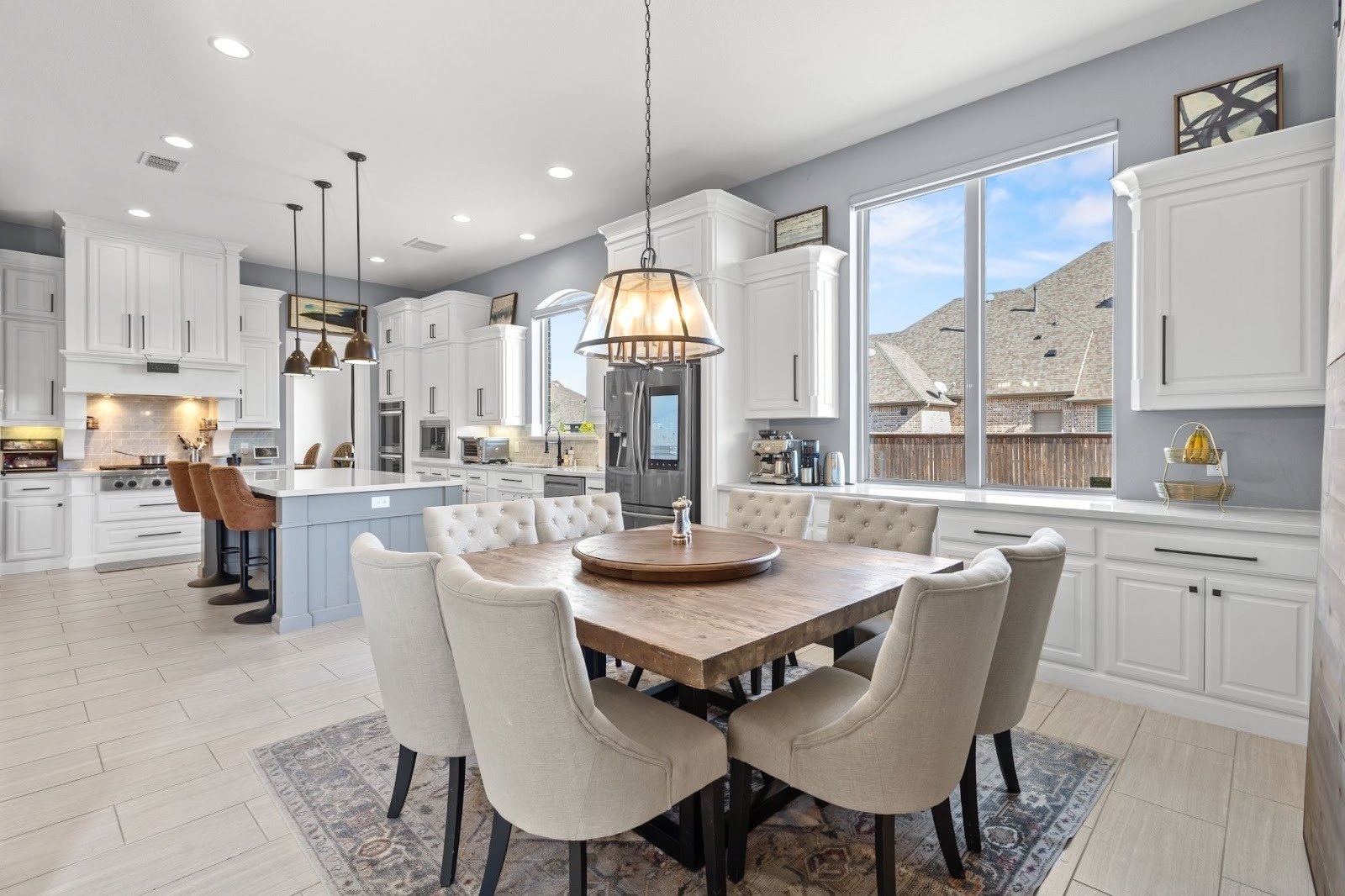
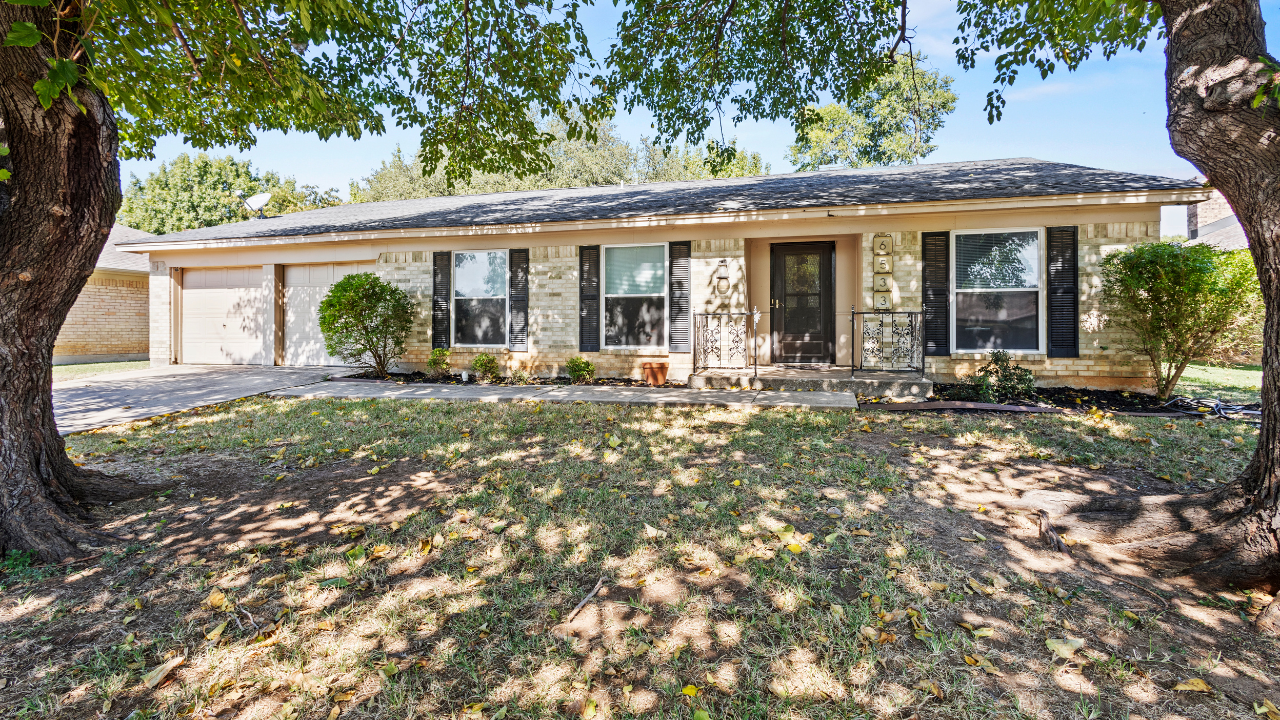
A luxury home earns its price when it improves daily life and holds up as a long-term asset.
For physicians considering luxury home buying, the goal should be more than purchasing an impressive property—it should be selecting a home that supports both lifestyle and long-term financial value.
For physicians, that usually comes down to location, privacy, construction quality, functionality, and resale strength. Expensive finishes may create a strong first impression, but they do not always translate into lasting value.
A physician can afford a luxury home and still overpay for the wrong one. The real question is whether the property supports your schedule, family, career plans, and financial position well beyond closing.
Location Often Creates the Most Value
For many doctors, the strongest luxury feature is a better use of time.
A shorter or more predictable commute can make call schedules easier, preserve family time, and reduce the strain of moving between hospitals, clinics, and offices. Proximity to major highways, airports, schools, and medical districts can matter more over time than an extra bedroom or larger entertainment space.
For physicians relocating to the Dallas-Fort Worth area, doctor relocation services can help identify luxury neighborhoods that balance commute efficiency, privacy, and long-term value.
A home farther from work may still make sense when it offers meaningful privacy, land, or lifestyle benefits. That tradeoff should be clear before the purchase.
Traffic patterns, future development, neighborhood access, and resale demand all shape whether the location will continue to work as your career changes.
Construction Quality Matters More Than Finishes
Luxury materials can hide average construction.
Before focusing on design details, buyers should understand the systems and workmanship behind the home. Foundation performance, drainage, roofing, windows, HVAC design, insulation, electrical capacity, plumbing, sound control, and renovation quality all affect long-term ownership.
Operating costs also rise quickly in larger properties. Pools, landscaping, security, energy use, insurance, and specialized repairs should be reviewed before an offer is made.
Understanding financing through physician loan guidance allows buyers to evaluate the complete cost of owning a luxury property, including taxes, insurance, maintenance, and long-term cash flow.
Homes with elevators, generators, automation systems, guest houses, or complex outdoor features may also require specialized inspections. These systems add value when they are well designed and maintained. When they are not, they can become expensive liabilities.
The Floor Plan Should Work in Real Life
A luxury home should make a demanding schedule easier to manage.
For some physicians, that means a private office, reliable internet, secure storage, and quiet space for administrative work. For others, it may mean multigenerational living, guest accommodations, fitness space, or room to entertain.
The strongest layouts usually provide privacy, flexible work areas, useful storage, efficient movement between rooms, and enough separation between professional and family life.
Highly customized homes deserve extra scrutiny. A feature may feel valuable to one owner while narrowing the future buyer pool. That does not make it a poor choice, but it should be weighed against resale flexibility.
Working with experienced buyer representation helps ensure inspections, negotiations, disclosures, and market analysis protect the buyer throughout the luxury purchase process.
Resale Strength Helps Defend the Price
Even long-term buyers should understand how the property is likely to perform when it returns to the market. Luxury homes tend to hold value more effectively when they combine a strong location, a desirable lot, quality construction, functional design, privacy, and limited direct competition. Homes built mainly around current design trends can lose appeal more quickly.
A lower-priced property may carry more risk if it has weak access, an awkward layout, or significant future competition. A more expensive home may be the better value when it offers a superior lot, stronger construction, and broader demand.
Comparable sales, days on market, neighborhood reputation, inventory levels, nearby development, and buyer demand all matter when deciding whether the asking price is justified.
For physicians building long-term wealth, real estate investment for doctors can help evaluate whether a luxury home supports future financial goals alongside lifestyle preferences.
Buy the Property That Supports the Full Picture
The right DFW luxury home should protect your time, support your family, and remain useful as your career evolves.
Dr. Realtors helps physicians evaluate luxury properties through practice proximity, construction quality, market position, negotiation strategy, and long-term resale potential.
Our real estate for doctors approach combines lifestyle planning, market expertise, and physician-specific guidance to help buyers make confident long-term decisions.
Before making an offer, schedule a consultation with the Dr. Realtors team. A closer review can help determine whether the home is truly worth the price or simply priced like one.