
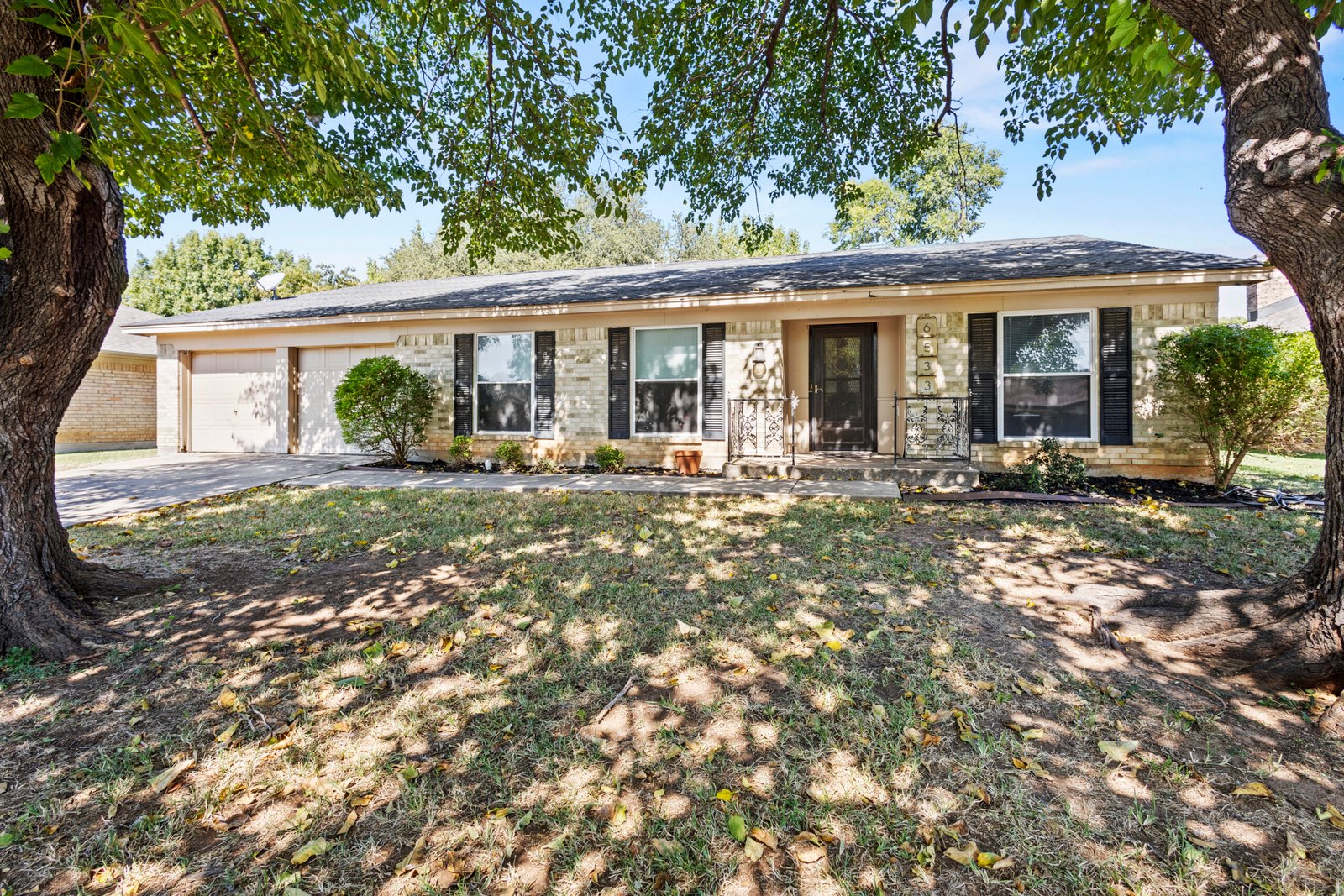
Owning a rental property creates an operating decision that is easy to underestimate at purchase: who will actually manage it?
Self-management can reduce direct expenses and give the owner more control. Professional management adds cost, but it can remove much of the day-to-day coordination that competes with clinical schedules, family time, and other investment priorities.
For physicians exploring real estate investment for doctors, the decision is often less about preference and more about whether the property can be managed efficiently enough to justify the owner’s time.
When Self-Management Works
A single local rental with a stable tenant can be manageable for a physician who has predictable availability and reliable contractors.
The owner still has to handle leasing, screening, rent collection, repairs, recordkeeping, and tenant communication. Those responsibilities are usually easier to absorb when problems are infrequent and the property is nearby.
Distance changes the equation. Physicians who purchased an investment property through out-of-state buyer services may need dependable local support even when they intend to remain hands-on.
Self-management can make sense when the operational burden stays low and the physician wants closer control over expenses and tenant decisions. As the property becomes more complex, the savings from avoiding a management fee can narrow once time and coordination are factored in.
What Professional Management Costs
A property manager may handle tenant communication, rent collection, maintenance coordination, leasing, inspections, and reporting, depending on the agreement.
That can reduce the administrative load substantially, but the cost should still be evaluated as part of the property’s overall performance.
The fee alone does not tell the whole story. A manager who reduces vacancy, handles maintenance efficiently, and keeps reporting organized may justify a higher cost than a cheaper provider who creates delays or weakens performance.
Physicians should also review the scope of the management agreement carefully. Leasing fees, renewal charges, maintenance markups, approval thresholds, reporting standards, and termination terms can all affect the economics.
Hiring a manager reduces daily involvement, but the physician still needs to review performance, approve major expenses, and decide whether the property continues to deserve capital.
As the Portfolio Grows
One rental property and five rental properties create very different management demands.
A physician may be comfortable self-managing an initial property to learn how the investment operates. As the portfolio expands, the volume of leasing, maintenance, bookkeeping, and tenant issues can become difficult to manage consistently around a medical career.
Professional management can become part of the scaling strategy at that point rather than simply an added expense.
The structure should still be tested against the property’s returns. A rental with thin margins may not support management fees comfortably, while a stronger property may continue to perform well after those costs are included.
Before acquiring another rental, physicians should model the property both ways: with self-management and with realistic professional management expenses. That makes it easier to see whether the investment still works if the owner eventually wants to step away from daily operations.
Through specialized real estate services for doctors, Dr. Realtors helps physicians evaluate rental acquisitions and existing real estate holdings from an investment perspective. If you are deciding how a rental property should be managed, schedule a consultation with Dr. Gill to review the property’s cash flow, operating demands, and how the management structure fits the broader portfolio.