
Luxury home purchases come with a different set of pressures. Inventory is more limited, competition is less predictable, and pricing is not always as transparent as it is in mid-market homes. For physicians, the challenge is rarely access. It is making a high-value purchase that continues to make sense over time, especially when navigating luxury home buying with a long-term perspective.
Strong income and financing options can make luxury homes feel attainable. The risk is paying for positioning without fully understanding what actually holds value.
Luxury pricing is influenced by factors that are not always obvious on a listing sheet. Square footage matters, but it rarely explains the full difference between properties. Location within a neighborhood, lot positioning, privacy, views, and surrounding development often carry more weight over time.
Two homes with similar layouts can have very different long-term outcomes depending on what surrounds them. A property backing to a greenbelt or offering unobstructed views tends to hold value differently than one facing another home. Proximity to schools, hospitals, and major access routes also affects desirability in ways that become more apparent at resale.
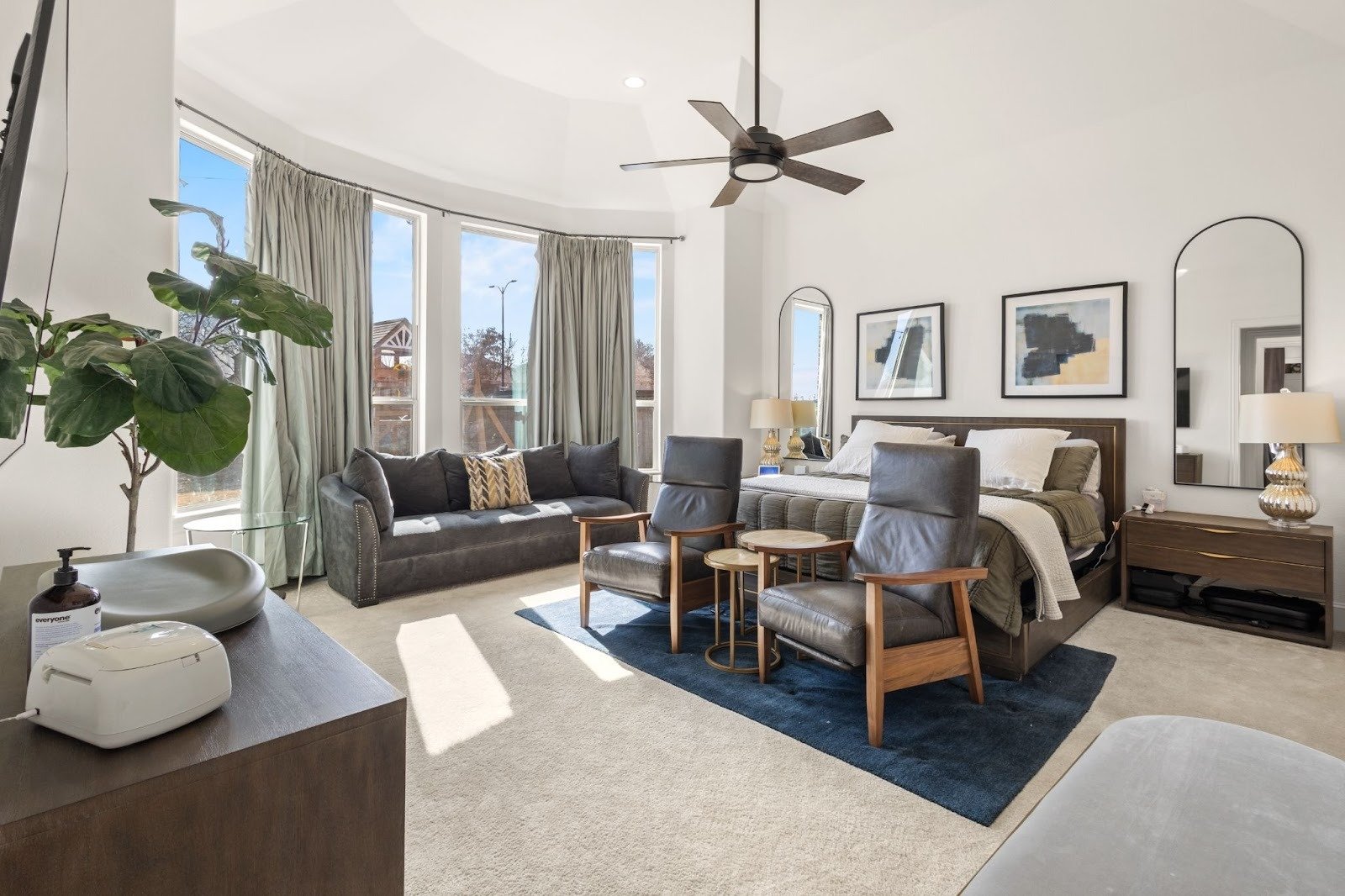
A home like 14225 Sowell Drive in Frisco, positioned on a greenbelt lot with no rear neighbors, reflects how these factors come together. The square footage alone does not define its value. The lot, privacy, and surrounding environment shape how the property performs over time compared to similar homes without those advantages.
Upgrades and finishes also influence pricing, but not all of them translate into long-term value. Some are highly personal and may not carry the same weight with future buyers. The distinction between functional value and aesthetic preference becomes more important as price points increase.
Negotiating Beyond the Listing Price
In the luxury segment, overpaying rarely comes down to misunderstanding a number. It usually happens when the full structure of the deal is not evaluated.
Terms matter; closing timelines, contingencies, and seller motivations all influence the final outcome. In some situations, a higher price paired with favorable terms may create a better overall position than a lower price with restrictions that reduce flexibility.
Timing also plays a role. Buyers relocating for a new position or transitioning between roles often face compressed timelines. That urgency can shift negotiating leverage if it is not addressed early. Understanding where flexibility exists, both for the buyer and the seller, can reveal opportunities that are not immediately visible through price alone.
Most agents focus on comparable sales and negotiation tactics. Those are necessary, but they do not tell the full story. Evaluating how the purchase fits within broader financial and career considerations is just as important. Having structured buyer representation ensures that negotiation strategy aligns with long-term positioning, not just short-term price.
Dr. Realtors works with physicians to approach luxury purchases through that broader lens. The focus is on how the property aligns with long-term plans, how leverage is structured, and how the purchase affects future flexibility. The objective is not simply to secure the home, but to do so in a way that still holds up years later.
Maintaining Discipline in a High-End Market
Luxury homes are designed to create an emotional response. The architecture, finishes, and presentation are intentional, and they can make it easy to shift focus away from fundamentals.
The buyers who navigate this segment well tend to remain grounded in those fundamentals. They evaluate how the property fits their lifestyle, commute, and long-term plans. They consider how the purchase affects liquidity and future investment options—often alongside broader real estate for doctors strategies.
A well-positioned luxury home can justify its price when location, lot quality, and long-term desirability are aligned. When those elements are not present, even a small overpayment can become more significant over time.
Homes that combine privacy, strong location, and functional design tend to stand out more clearly through this lens. Properties like the greenbelt-backed home on Sowell Drive illustrate how livability and long-term value can align when the underlying fundamentals are in place.
If you are exploring the luxury market, schedule a strategy session with Dr. Gill to evaluate property selection, deal structure, and timing before making a decision. The goal is to ensure that what you buy today continues to make sense well beyond the purchase.